Ph.D. program in Philosophy and Ethics, Suan Sunandha Rajabhat University, Thailand
This essay traces the historical development of postmodernism in Western thought, defines the moderate strand of the movement, and evaluates its ongoing influence on global philosophical discourse.
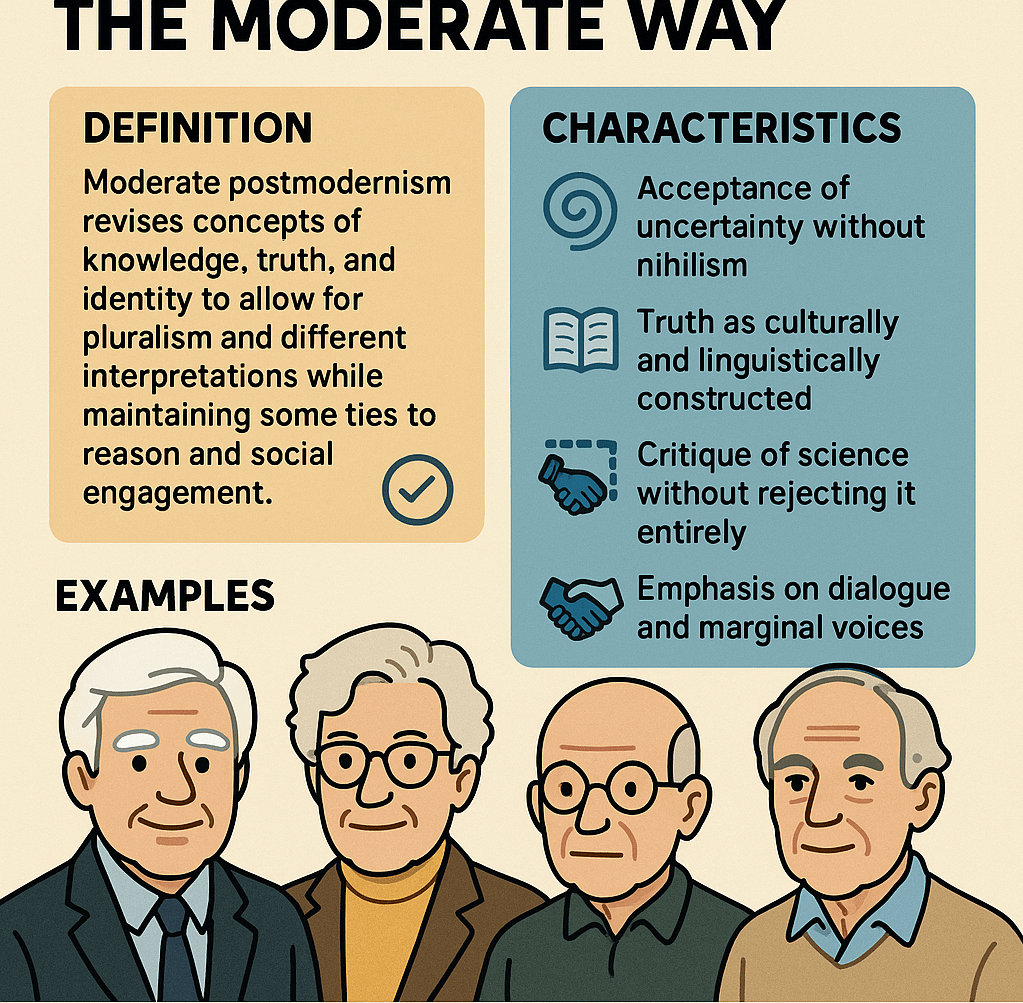
Moderate postmodernism reinterprets the concepts of knowledge, truth, and identity to allow for pluralism and diverse interpretations while retaining connections to reason and social responsibility.
Historical Background: From Modernity to Postmodernity
Western philosophy from the Enlightenment through the 19th century was dominated by modernist ideals:
- Reason as the supreme guide (Descartes, Kant)
- Progress through modern science and rational institutions
- Universal truths accessible through logic and observation
By the late 20th century, postmodern thinkers challenged these premises. They argued that knowledge is not neutral, that reason is culturally embedded, and that what we call “truth” is shaped by power relations and historical contexts.
Key milestones include:
- Nietzsche’s critique of metaphysics and truth as “will to power”
- Heidegger’s deconstruction of Being
- Wittgenstein’s later philosophy of language games
- Foucault’s archaeology and genealogy of knowledge
- Derrida’s deconstruction and différance
- Lyotard ]s concept of “incredulity toward metanarratives.”
Postmodern philosophy emerged as a critical response to the assumptions of modernism; reason, progress, objectivity, and universal truth. While radical postmodernism often rejects the very notion of truth and meaning.
What Is Moderate Postmodernism?
Moderate postmodernism does not reject reason, science, or ethics wholesale. Instead, it seeks to reformulate these concepts with greater humility, contextual sensitivity, and openness to difference. Moderate postmodernism offers a nuanced path: it questions foundational assumptions while preserving a commitment to critical dialogue, pluralism, and ethical engagement. Key Characteristics of moderate perspectives:
- Epistemic Humility: recognition of the limits of human knowledge without falling into total relativism.
- Constructed Truths: understanding truth as shaped by language, culture, and history.
- Critique without Rejection: engaging critically with science without discarding its value.
- Ethical Pluralism: welcoming multiple moral frameworks while fostering respectful dialogue.
- Engagement with the Marginalized: valuing voices often excluded from dominant discourses.
Moderate Postmodern Thought
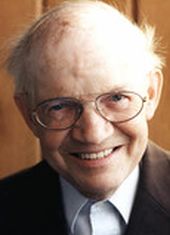
Heinrich Fries (1911–1998)
From the thought of Derrida and Foucault, through Gadamer to Habermas make distinction between moderate and strong postmodernism. Moderate postmodernism indicates non-foundationalist…attempts to utilize some form of rationality. Moderate postmodernism has it roots in Heidegger and Wittgenstein.
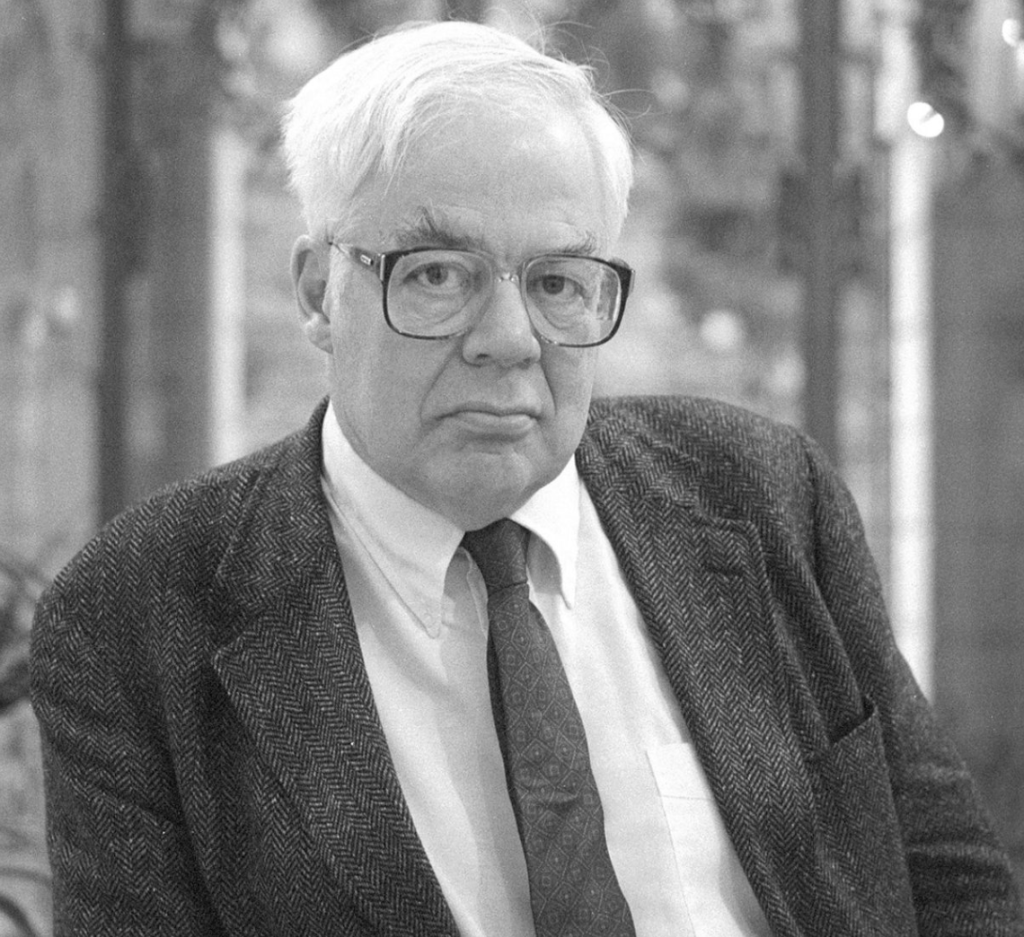
Richard Rorty (1931–2007)
Proposed “liberal irony”: commitment to liberal values without reliance on absolute truths. Emphasized solidarity over objectivity, viewing truth as what our peers let us say.
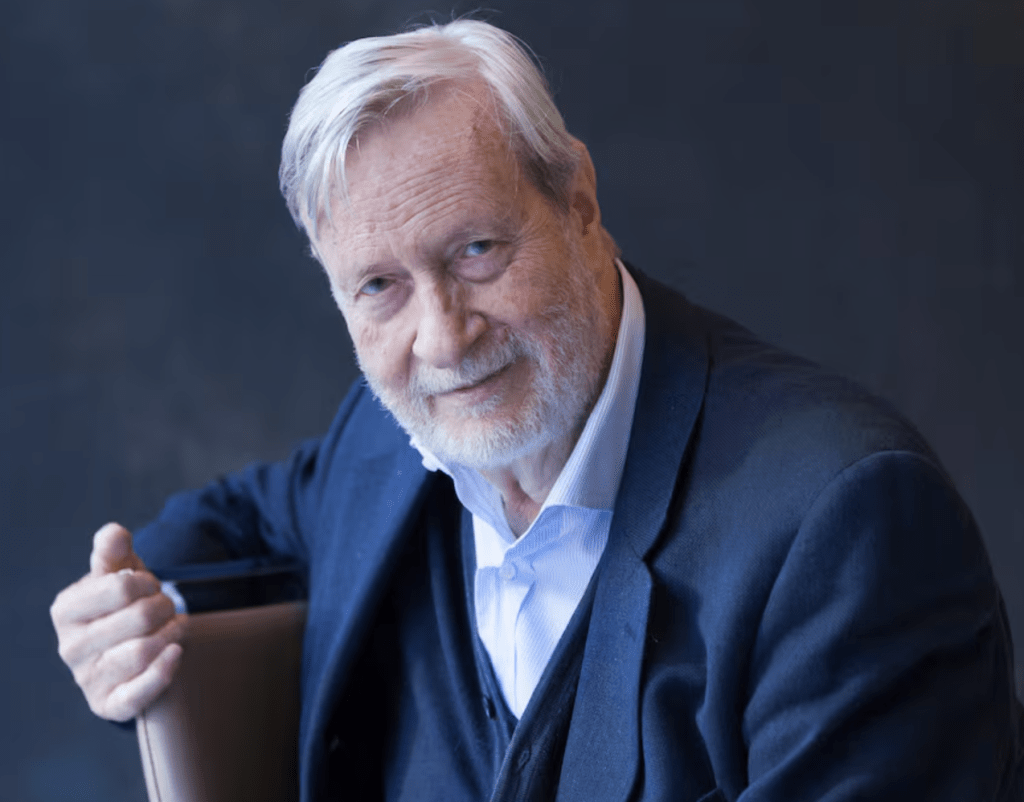
Gianni Vattimo (1936–2023)
Developed the concept of “weak thought” to soften metaphysical claims. Advocated for a non-authoritarian hermeneutics open to reinterpretation and coexistence.
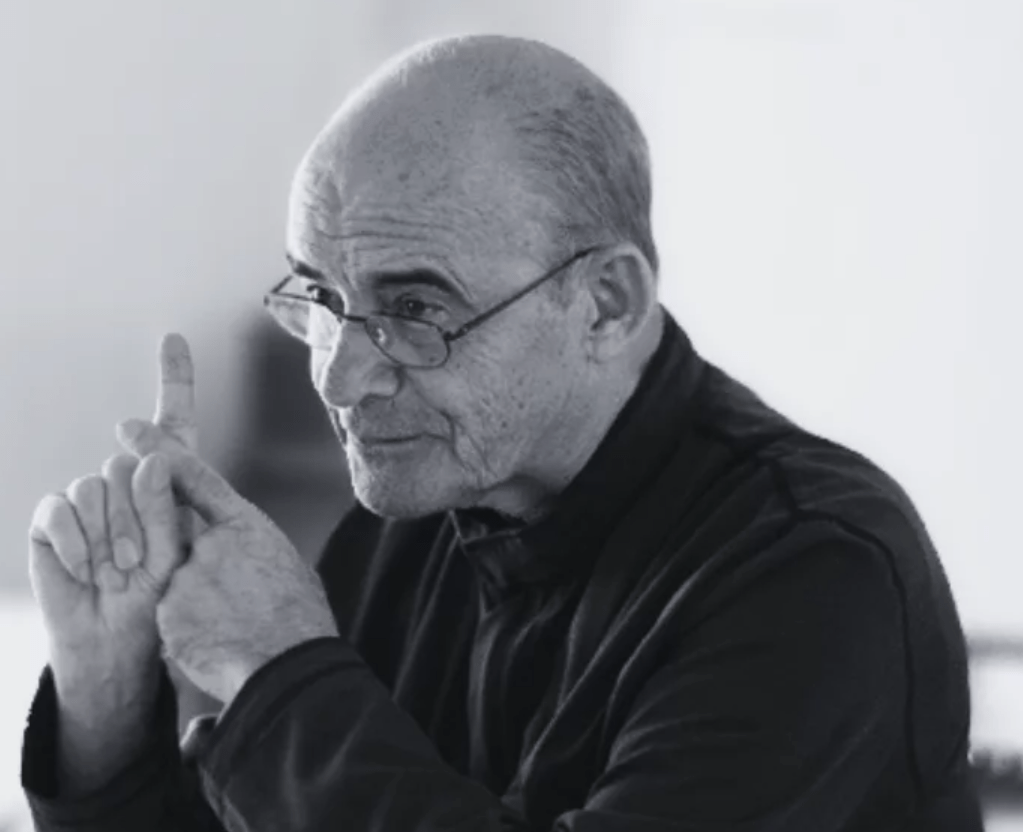
Jean-Luc Nancy (1940–2021)
Advanced the idea of “being-with”, emphasizing existence as inherently relational. Rejected strong ontological or political foundations in favor of openness and fragmentation.

Evaldas Nekrasas (1945–2023)
Kuhn’s concept of a paradigm is widely used in postmodernist writings, and they regard him as one of the main exponents of postmodernist thought. The use of the concept of paradigm reflects the belief that the mind’s nature is essentially interpretative. Postmodernism produces in fact a (meta)paradigm of the postmodern mind featuring main traits of different postmodernist paradigms. Historians of ideas have, it seems, no difficulty in grasping this Postmodern Paradigm. The postmodern paradigm is by its nature fundamentally subversive of all paradigms.
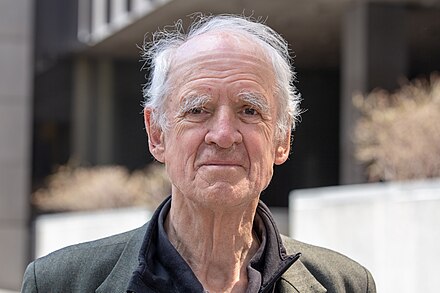
Charles Taylor (b. 1931)
Integrated hermeneutics, ethics, and multiculturalism to respond to identity conflicts in late modern societies. Advocated for a “horizon of significance”, grounding identity in shared meanings while respecting diversity.
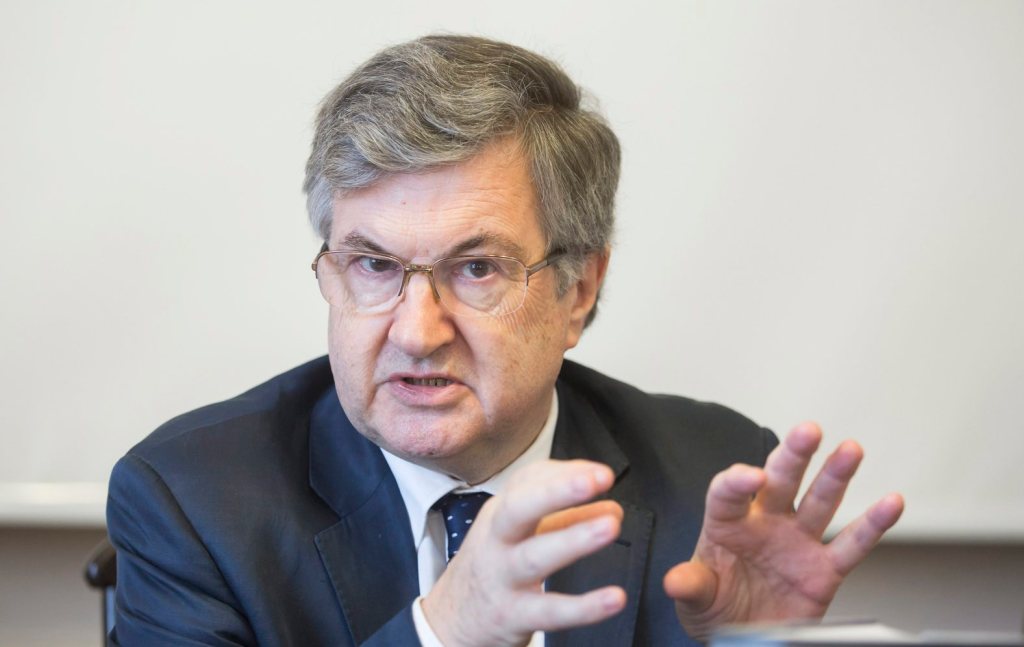
Richard J. Evans (b. 1947)
Innovation has come above all from historians writing about the marginal, the bizarre, the individual , the small-scale. Extreme and moderate versions or aspects of postmodernism.
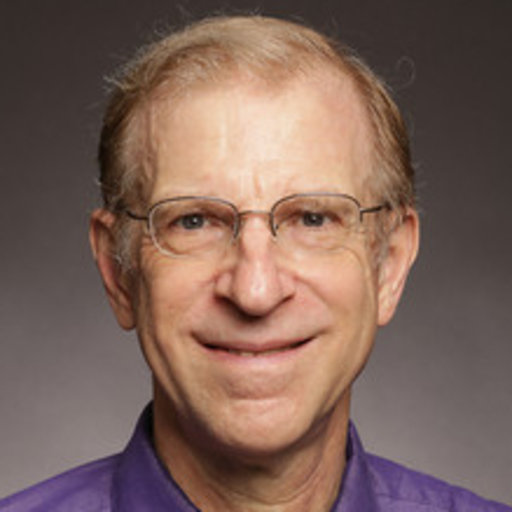
David Nikkel
“Only moderate postmodernism can adequately reflect the postmodern spirit”
Philosophical and Global Appreciations and Applications
Moderate postmodernism bridges “radical deconstruction” and “constructive critique”, merge with Post-colonial theory, Feminist and queer theory, Pragmatist education, Digital humanities and cultural studies, that making it suitable for:
- Education systems seeking inclusivity without nihilism
- Ethics and politics in multicultural contexts
- Cross-cultural dialogue in global philosophy
Moderate postmodernism provides a framework for 1) building cross-cultural coalitions; 2) sustaining dialogue over domination; and 3) replacing universal dogmas with locally informed ethics.
The future of philosophy on global issues may depend on such moderate, dialogical postmodernism—neither nihilistic nor naïvely optimistic, but courageously open.
Conclusion
Moderate postmodernism is a kind of non-extremist philosophical movement, represents a critical yet constructive turn in Western philosophy. It inherits the postmodern suspicion of power and metanarratives but avoids the paralyzing relativism that often accompanies more extreme forms. By embracing pluralism, ethical responsibility, and epistemic humility, not restrict to the old framework, it offers a compelling vision for the future of thought in an increasingly interconnected world.
 ปรัชญาสวนสุนันทา